What to Do When Your Motorcycle Breaks Down on the Road
A motorcycle breakdown is stressful, especially when you’re stranded on a busy road or highway. Whether it’s a flat tyre, engine failure, or an accident, knowing what to do in those first few minutes can make all the difference.
The safest and smartest first call is to a professional motorcycle towing service, one equipped with the right gear to recover your bike without causing further damage. In this guide, we walk you through exactly what to do when your bike goes down and how to get back on the road as quickly and safely as possible.
Step 1: Move to Safety First
Your priority is not the bike. It is your safety.
As soon as you realise something is wrong, avoid sudden braking or sharp movements if possible. Ease off the throttle, indicate, check your mirrors, and move toward the safest available stopping point. This could be the emergency lane, a wide shoulder, a service road, a car park, or a side street.
Once stopped, switch on your hazard lights if your motorcycle has them. If not, keep your lights on where safe to do so. Get yourself away from traffic, especially on high-speed roads. Stand behind a barrier if one is available, and never remain between your motorcycle and moving vehicles.
If the breakdown happens at night, in the rain, or on a blind corner, increase your distance from the road. A damaged motorcycle can be repaired or replaced. You cannot.
Step 2: Assess the Situation — Ride On or Call for Help?
After you are safe, take a calm look at what happened. Ask yourself whether the motorcycle is genuinely safe to ride or whether continuing could make the problem worse.
Some issues may be minor, such as a loose mirror, a slipping luggage strap, or low fuel if a petrol station is nearby. Other problems should be treated seriously. These include flat tyres, engine overheating, oil leaks, brake failure, electrical faults, broken levers, chain problems, accident damage, or anything that affects steering, braking, throttle response, or balance.
If you are unsure, do not ride. Many riders make the mistake of trying to “limp home” and end up causing more damage or putting themselves in danger. A small mechanical issue can become a major failure if the bike is ridden under stress.
For a motorcycle breakdown in Melbourne, riders experiencing traffic, weather, or unfamiliar suburbs, calling for help is usually the safest decision. You can also contact a trusted friend, mechanic, or roadside assistance provider in Australia for advice, but avoid taking risks just to save time.
Step 3: Call a Specialist, Not a General Tow Truck
Motorcycles need different recovery equipment from cars. A general tow truck may be fine for a ute or sedan, but bikes require careful loading, proper tie-down points, wheel chocks, soft straps, and secure positioning to prevent damage during transport.
A specialist motorcycle tow operator understands how to load a bike without crushing fairings, bending levers, stressing handlebars, or scratching paintwork. This is especially important for sports bikes, cruisers, adventure bikes, scooters, custom motorcycles, and classic bikes.
When calling for emergency motorcycle recovery, give clear information:
-
Your exact location or nearest cross street
-
Direction of travel, especially on highways
-
Motorcycle make and model
-
Whether the bike rolls freely
-
Whether the steering works
-
Whether there has been an accident
-
Whether fuel, oil, or coolant is leaking
-
Where do you want the bike taken
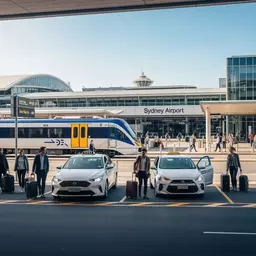
If you are near a transport hub, stranded after a late shift, or unable to stay with the bike for long, services like those listed on rslcabs.com.au may also be useful for passenger transport after the motorcycle is recovered. Internal links could point to relevant transport services or roadside assistance pages where available.
What Happens When a Specialist Motorcycle Tow Arrives
When the tow operator arrives, they will usually inspect the motorcycle briefly before loading it. They may check whether it rolls, whether the brakes are locked, whether the steering is damaged, and whether there are leaking fluids or loose parts.
The motorcycle is then loaded using equipment suitable for bikes. Depending on the vehicle, this may involve a ramp, hydraulic lift, wheel chock, dolly, or specialist motorcycle trailer. The bike should be secured upright with appropriate straps, usually avoiding pressure on fragile bodywork or handlebars where possible.
A professional operator will take care of fairings, exhausts, panniers, windscreens, mirrors, and custom parts. If your bike has special features, such as lowered suspension, race fairings, hard luggage, a sidecar, or crash damage, tell the operator before loading begins.
You may be asked where the bike should be delivered. Common options include your home, a mechanic, a dealership, a tyre shop, a storage location, or an insurance assessment centre. If the breakdown happened after hours, confirm whether the destination can receive the bike safely.
Common Breakdown Causes and Whether They’re Fixable Roadside
Some motorcycle problems can be solved roadside, while others need towing.
A flat battery may be fixed with a jump start, but the cause matters. If the battery is old, the charging system has failed, or the bike cuts out again after starting, towing may still be needed.
A punctured tyre is rarely safe to ignore. Some riders carry plug kits, but these are temporary repairs and may not suit every tyre or puncture type. If the tyre is badly damaged, losing air quickly, or the bike feels unstable, do not ride it.
Fuel issues are common. Running out of fuel is frustrating, but simple if you are near help. Contaminated fuel, however, can cause rough running, stalling, and engine problems.
Chain issues can be serious. A loose, broken, or derailed chain can damage the engine case, rear wheel, or swingarm. Do not ride if the chain has failed.
Brake problems require immediate attention. Spongy brakes, leaking fluid, jammed calipers, or damaged levers are not roadside risks worth taking.
Engine overheating, oil leaks, coolant leaks, electrical smoke, or accident damage should usually mean one thing: call for recovery.
Breakdown on a Highway: Special Rules and Safety Tips
A highway breakdown is more dangerous because traffic is moving quickly, and drivers may not expect a stationary motorcycle. The smaller size of a bike can also make it harder for other motorists to see.
If your motorcycle begins failing on a highway, move left as soon as it is safe. Use indicators, avoid sudden lane changes, and aim for the widest shoulder available. Stop as far from traffic as possible.
Once stopped, get off the motorcycle from the side away from traffic. Move behind a safety barrier if there is one. Do not stand next to the bike, sit on it, or try to repair it close to moving vehicles.
Use your phone only when you are safely away from traffic. Give your location clearly, including highway name, direction of travel, nearest exit, kilometre marker, or visible landmark. If you are using a maps app, share your location if possible.
If there has been a crash, injury, fuel spill, or dangerous obstruction, call emergency services first. For non-injury breakdowns, contact a specialist motorcycle recovery provider and wait in the safest available position.
How to Prepare Your Bike and Yourself Before Every Ride
Preparation reduces the chance of being stranded. Before every ride, especially longer trips, do a quick check of the basics.
Inspect tyre pressure and tread. Look for nails, cracks, or low pressure. Check oil level, coolant if applicable, brake fluid, chain tension, lights, indicators, horn, mirrors, and fuel level. Make sure luggage is secured, and nothing is near the chain, wheel, or exhaust.
Carry essentials such as your phone, charger or power bank, licence, roadside assistance details, emergency contact, basic tools, tyre pressure gauge, and wet-weather gear. For longer rides, consider a puncture repair kit, a small torch, and a reflective vest.
Know who you would call if the bike stopped. Saving a reliable towing number before you need it is much easier than searching on the roadside under pressure.
New motorcycle owners should also learn the warning signs of mechanical trouble: unusual noises, vibration, burning smells, warning lights, poor throttle response, wobbling, brake changes, or sudden temperature increases.
Stay Calm, Stay Safe, and Know Who to Call
A motorcycle breakdown can happen to any rider, from commuters to weekend tourers. The key is to stay calm, move to safety, assess the risk, and avoid riding a bike that may be unsafe.
Specialist motorcycle towing protects both you and the motorcycle by using the right loading and securing equipment. Whether you are dealing with a flat tyre, mechanical failure, accident damage, or a dead battery, the safest choice is often to recover the bike properly rather than push your luck.
Save a trusted motorcycle towing number in your phone before you need it, and make breakdown planning part of every rider’s safety routine.